Reporting · Local decisions
A towering magnolia is gone. Who decided it had to go?
Months before crews cut down the magnolia beside Vivian's post office, the mayor had sought help from Speaker Mike Johnson's office. Town records trace part of what followed, but leave the reason for removing the tree unanswered.
Part of the case file: Vivian post office magnolia tree
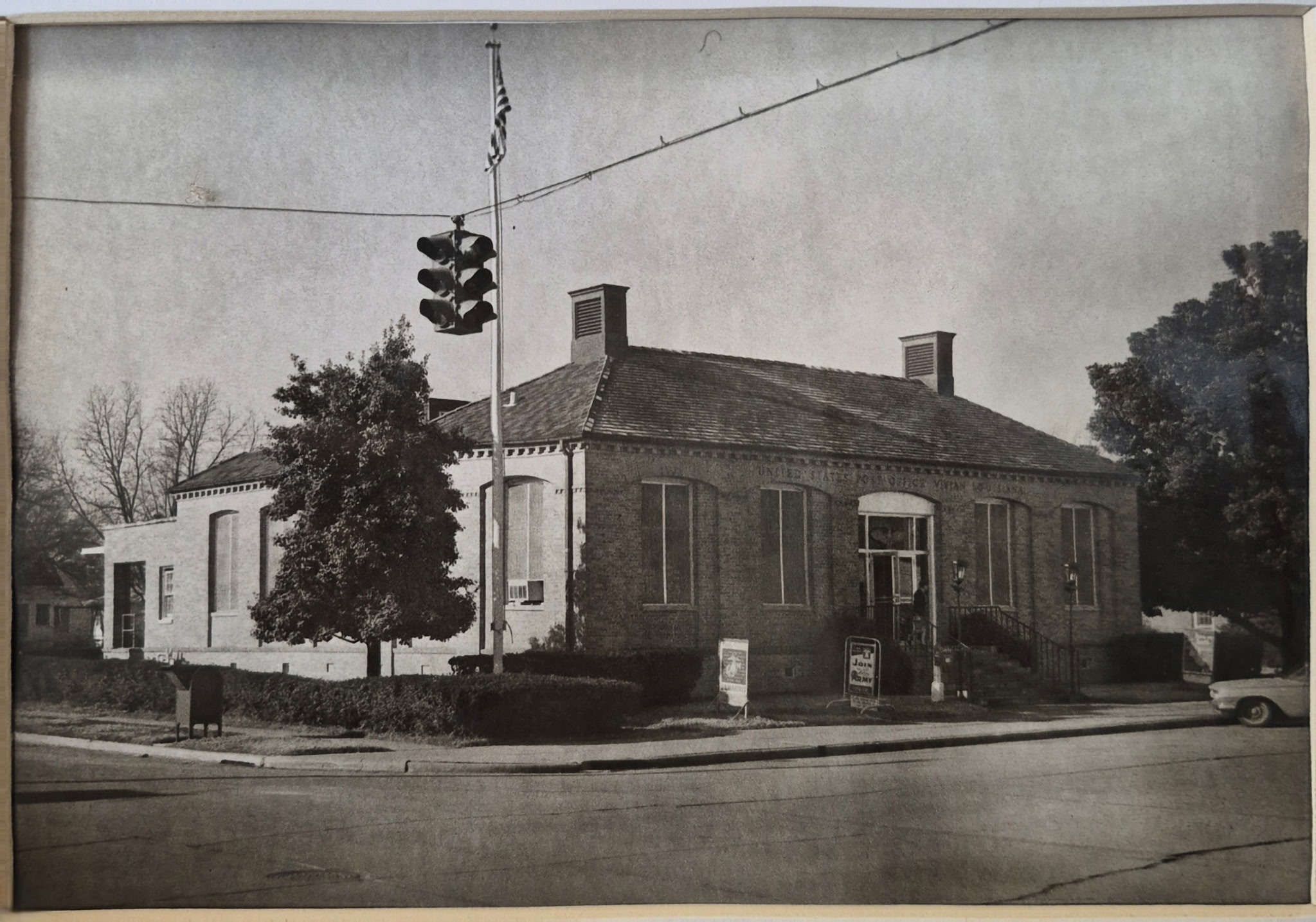
1966 and 2026: the post office magnolia
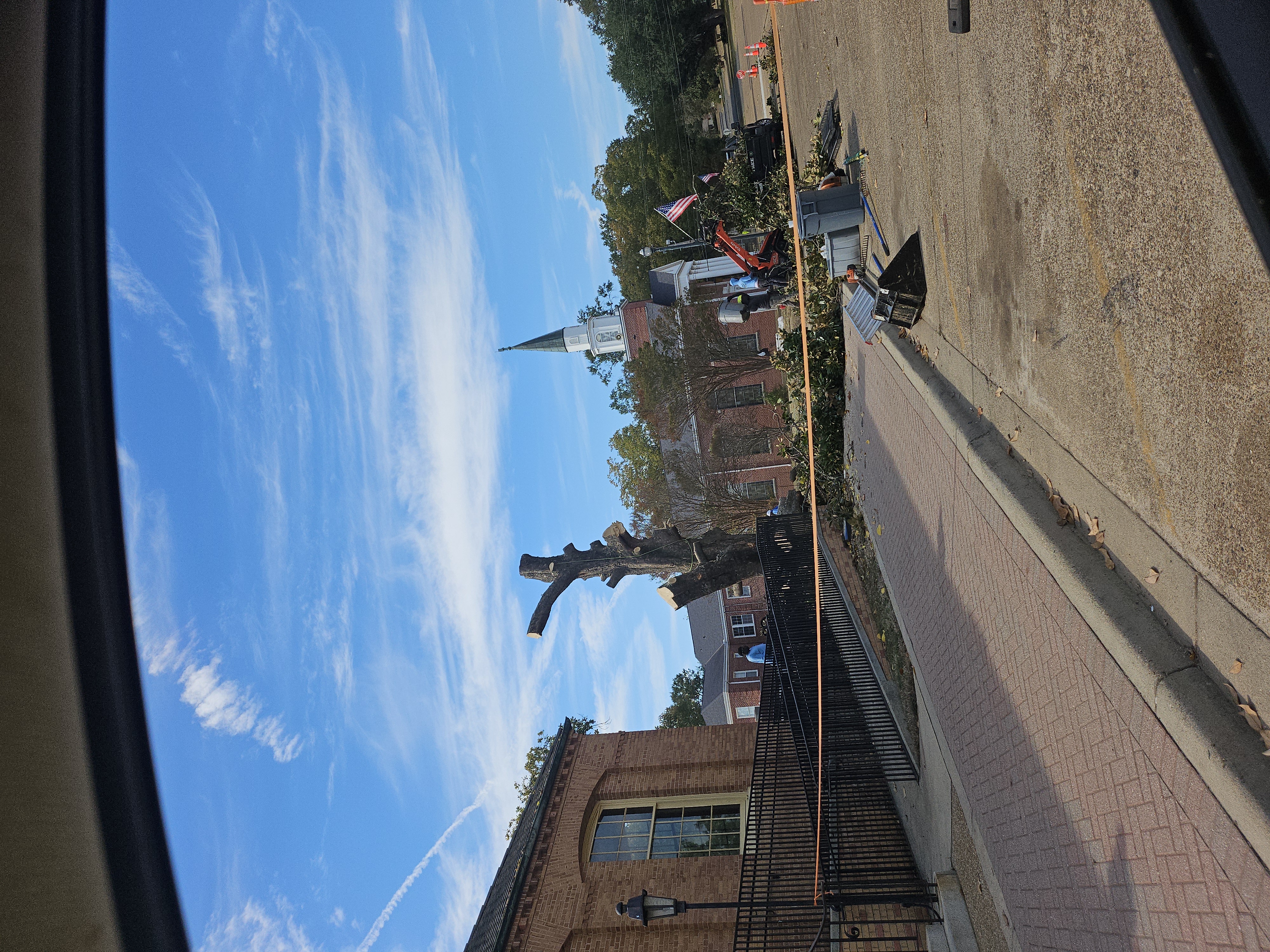
By the afternoon of October 27, much of the magnolia’s canopy was already gone. Its thick trunk still rose above the workers beside the Vivian Post Office, while freshly cut limbs lay around the site and tree-removal equipment stood nearby.
I watched the crew cutting down a tree I remember as one of the largest magnolias in town. Even partly dismantled, its scale was striking against the people working below it.
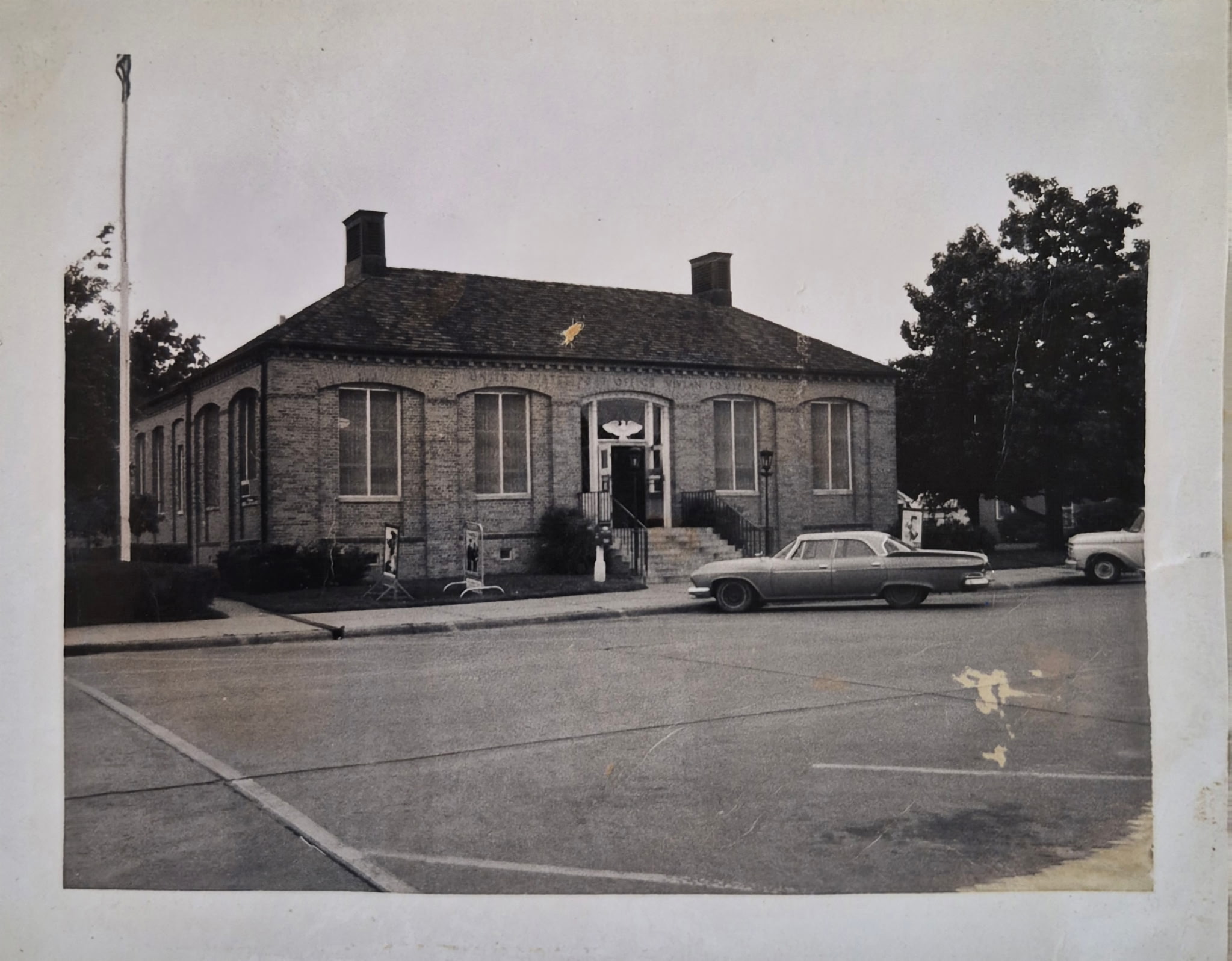
Historical photographs now give that familiar corner a record beyond family recollection. A view identified as 1966 by the Vivian Railroad Museum custodian shows a substantial tree beside the post office, six decades before the cutting I witnessed. Its precise age remains unknown.
Why did the whole tree have to go, and who made that decision?
Roots affecting the adjacent sidewalk are the explanation relayed to me secondhand. Whether that concern required removing the entire magnolia, and whether preservation options were evaluated, are central questions the available records do not answer.
The Town’s search for records has also taken a new turn. Its attorney described the November 3 production as complete, reiterated that position on November 4, then reported on November 5 that the mayor had asked the Town’s IT professional to review whether any documents were missing. That is a further step in the search; its outcome remains open. Read the follow-up source notes.
A landmark with roots in Vivian’s history
In the museum-supplied photograph identified as 1966, the magnolia’s broad canopy is visible at the right of the post office. It is the earliest photograph in the supplied collection documenting the tree identified in this investigation. The 1966 and October 2026 images put its longstanding presence and removal side by side.
Mississippi’s historic-property database dates Vivian’s post office to 1939 in a comparison of post-office designs. That is an official historical attribution; the original construction record still needs confirmation.
Was the magnolia part of the building’s original landscaping? No planting record has been established. It could have predated the post office or been planted later. The building date cannot establish the tree’s age. What the 1966-attributed image supplies is a view of an already substantial tree decades before its removal—a history that gives the preservation question particular weight.
Before the cutting, a request for congressional help
Records released by the Town show Mayor Ronnie Festavan sought congressional assistance months before the cutting. On December 23, 2025, Speaker Mike Johnson’s office thanked him for contacting it and asked him to complete a privacy release. The mayor replied: “I have submitted the requested information. Please verify receipt.”
The Town supplied that exchange in response to my tree-related request. It did not supply the mayor’s original inquiry or the information he said he submitted. Those missing pieces could show whether he asked for removal, maintenance assistance, or help with another concern. Read the December exchange.
In a February 17 email to Festavan, Johnson’s office quoted USPS as saying Postmaster NaTorya Merritt had submitted a request on February 11 through the USPS Facilities portal “to execute the tree removal.”
The quoted response also said: “Local leadership is responsible for securing a landscaping contract and/or directing their custodial team to address landscaping.”
That passage concerns USPS landscaping responsibilities; it does not establish that Town employees performed the work. The correspondence documents the mayor’s involvement in seeking assistance, but does not establish that he personally directed removal. The underlying Facilities submission, justification, approvals, and work order are absent from the Town’s packet. Read the February message.
A sidewalk concern—and a question of necessity
I observed what I estimated to be approximately half an inch of sidewalk displacement beside the tree. That was an eyewitness estimate, not a professional measurement or engineering finding. The explanation that roots prompted removal came to me secondhand through my wife; I have not verified it with a decision-maker.
Sidewalk accessibility and trip hazards deserve attention. So does the question of whether addressing a walkway problem required sacrificing the entire tree.
Was repair or rerouting evaluated? Could appropriate pruning or another site-specific approach have helped, or did the tree’s condition rule preservation out? No arborist report or engineering assessment in the supplied records explains what options were considered. Without that evaluation, it would be premature to claim the tree could certainly have been saved—or that removal was the only reasonable choice. I have not revisited the site to establish the sidewalk’s present condition.
The Town’s answer—and a further search
My October 27 request sought communications, approvals, condition assessments, contracts, expenditures, and other tree-related records. On November 3, municipal attorney Douglas C. Dominick supplied his cover letter and congressional correspondence. Read the request copy and response packet.
The packet contains no arborist report, removal work order, contract, invoice, or explanation of necessity. Dominick described the enclosures as all responsive documents in the Town’s possession.
After I requested a supplemental search, he wrote on November 4: “this is all that is in the possession of the Town”. The next day, he reported meeting with the mayor and the additional IT review, promising an update as he learned more. See the follow-up source notes.
That review may add records. USPS may also hold operational documents absent from the Town’s production. Their absence here does not establish that they never existed or were unlawfully withheld.
Flowers at the stump
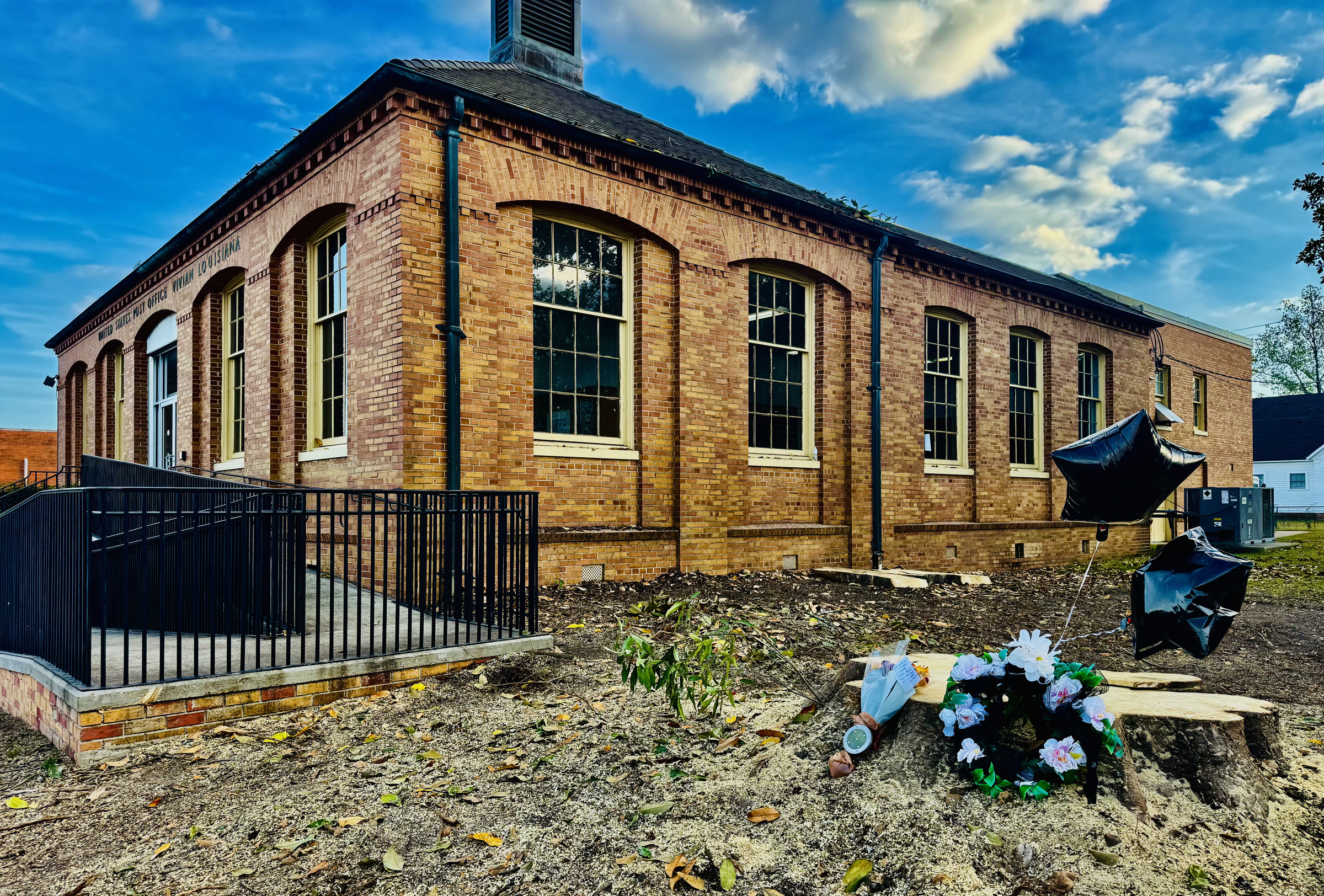
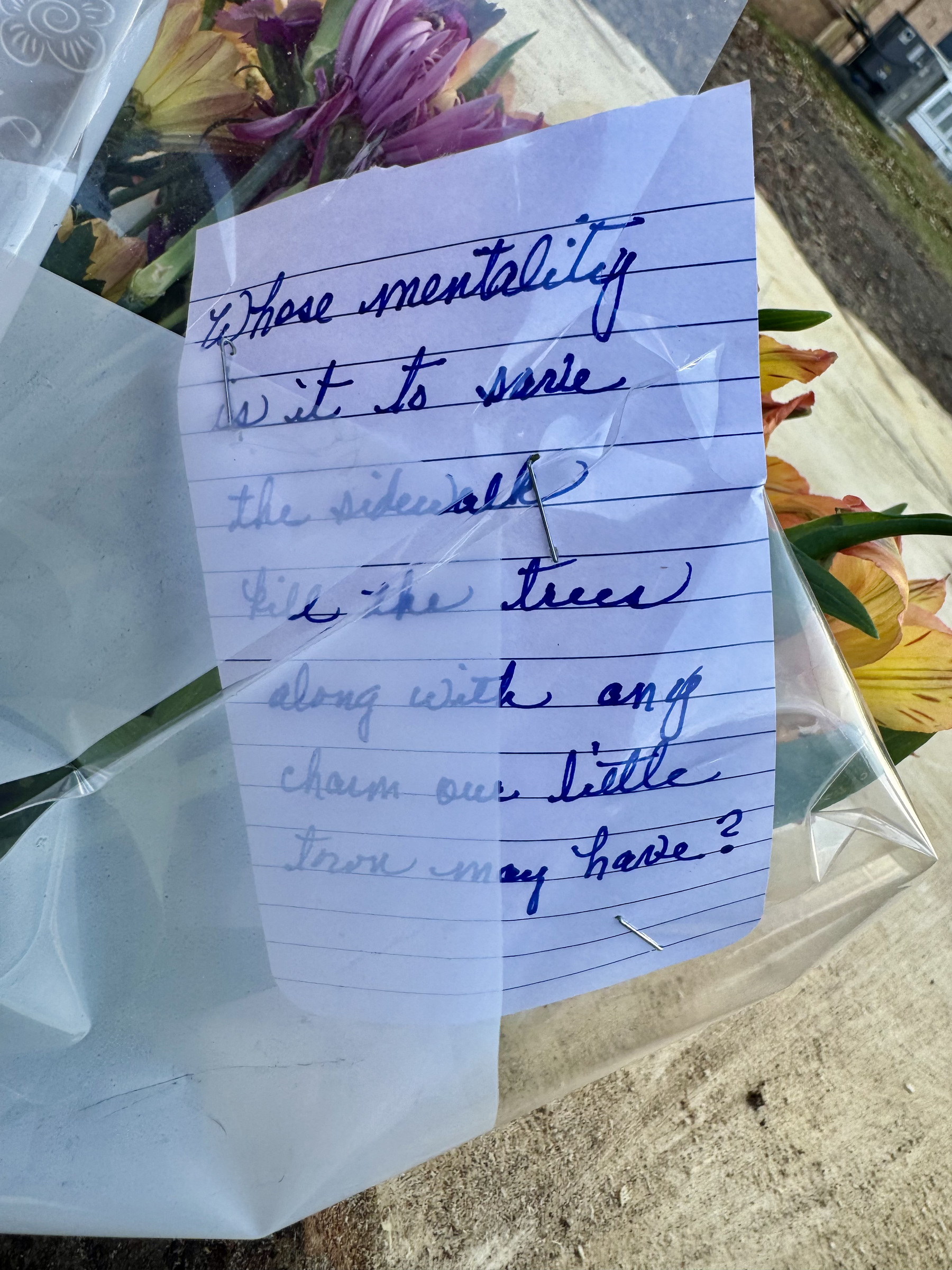
Photographs supplied privately show flowers and black star-shaped balloons arranged beside the stump. A handwritten note is fastened to the flowers. Its author has not been identified, and the photographs’ capture date has not been confirmed.
The memorial and note photographs record a visible response to the tree’s loss. They do not identify who made the removal decision or establish what the wider community knew beforehand.
The sequence so far
| Date | What the evidence shows |
|---|---|
| 1939, reported | An official historic-property database attributes this construction year to the post office; original records remain to be confirmed. |
| 1966, attributed | Museum-supplied photograph shows the identified tree; original dating remains to be confirmed. |
| December 23, 2025 | Congressional assistance correspondence and the mayor’s reply. |
| February 11, 2026 | Facilities-request date reported in the later USPS quotation. |
| February 17, 2026 | Johnson’s office sends the mayor the quoted USPS response. |
| October 27, 2026 | I witness and photograph the cutting; the Town request is dated that day. |
| November 3–5, 2026 | The Town supplies its packet, reiterates its possession statement, then reports an additional IT review. |
What the missing decision records could explain
The mayor’s original submission and the USPS Facilities file could establish what problem officials sought to solve, who recommended removal, and how that recommendation became authorized work. They could explain whether preservation alternatives were considered, who paid, and whether residents or Town Council members were notified or consulted.
USPS acknowledged my portal-submitted federal records request on November 4, assigning number 2027-FPRO-00552 and marking it “Received.” Read the receipt verification. Further reporting will follow that request and the Town’s additional search.
The magnolia cannot be put back. Even if removal was properly authorized, residents deserve to understand why it was necessary, whether preservation was considered, and who participated in the decision.
Residents with dated historical photographs, firsthand information, or relevant documents can contact Vivian Transparency. Documented corrections and responses from public officials are welcome. The case file will collect the records and later reporting.
Sources and methodology
Read the reporting methodology and source notes, including the November 4–5 correspondence, family recollection, eyewitness estimates, and document preparation. Links to the primary records remain available below and on the case file.
Photographic record
Sources and records
- October 27 public-records request: requester-provided copyPage 1Page 2Page 3
Requester-provided electronic copy believed printed, signed, and sent; not a scan of the signed paper.
- Request acknowledgment and follow-up correspondence through November 5Page 1Page 2Page 3Page 4
Updated seven-message printout through November 5, including supplemental request, Town attorney replies and requester acknowledgment.
- Town attorney response and congressional correspondencePage 1Page 2Page 3Page 4Page 5Page 6
Town response packet. USPS language is quoted in congressional correspondence; the February email repeats on page 6.
- Historical image attributed to 1966, supplied by Vivian Railroad Museum
The museum custodian identifies the photograph as 1966. The date has not been independently verified; it does not establish a planting date or the tree’s exact age.
Updates and corrections
Editor’s note: Photograph captions and source notes have been clarified. The article text, photographs and linked records are unchanged. Historical image dates remain attributed to the Vivian Railroad Museum.